

Artisan Cabinetmaking in the Restoration of the Martínez 11 Building’s Façade
Some crafts do more than transform materials; they also preserve a particular way of understanding work. Cabinetmaking is one of them. Behind every piece lie years of experience, precision, an in-depth knowledge of wood, and a profound respect for techniques passed down through generations.
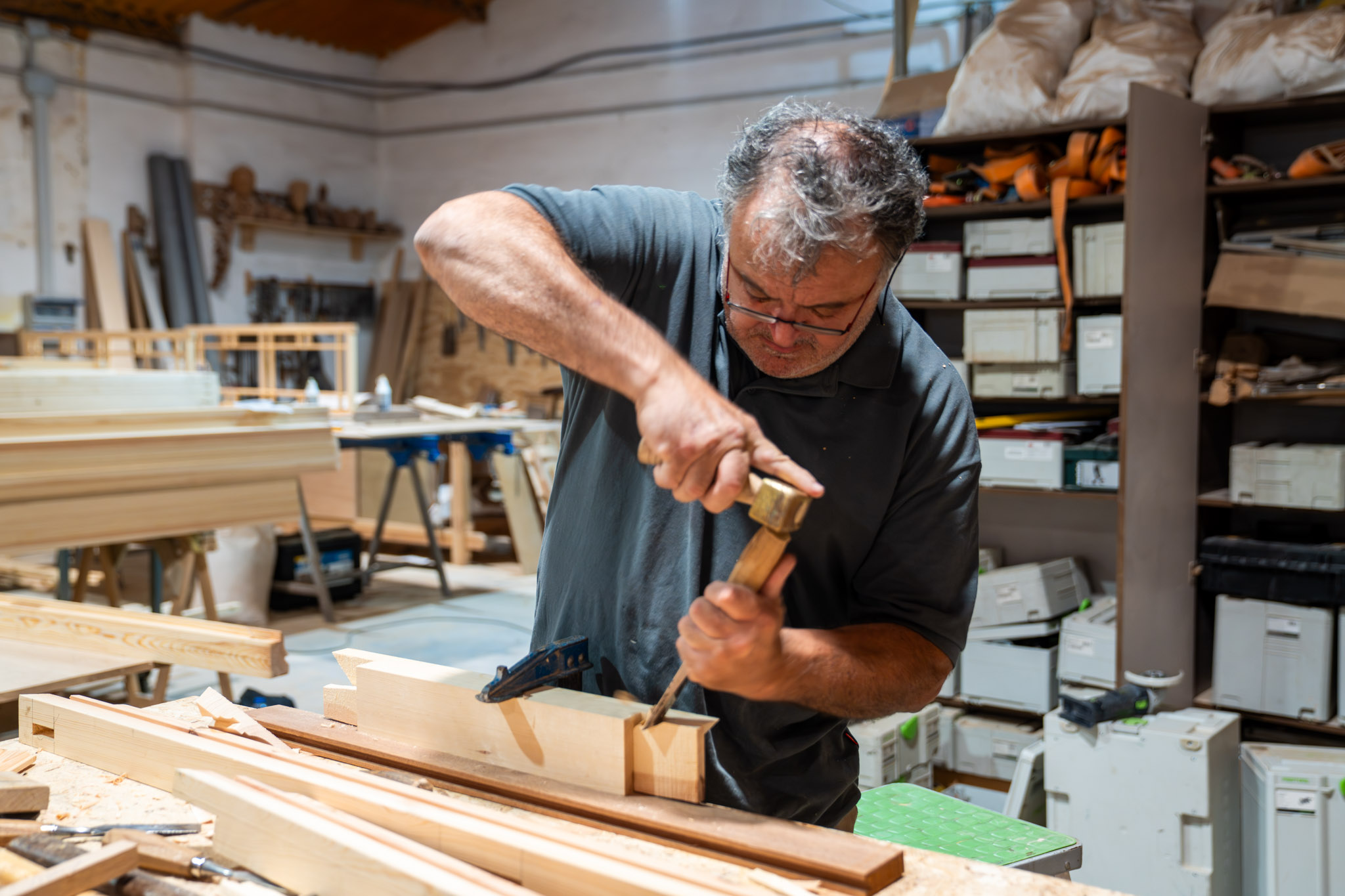
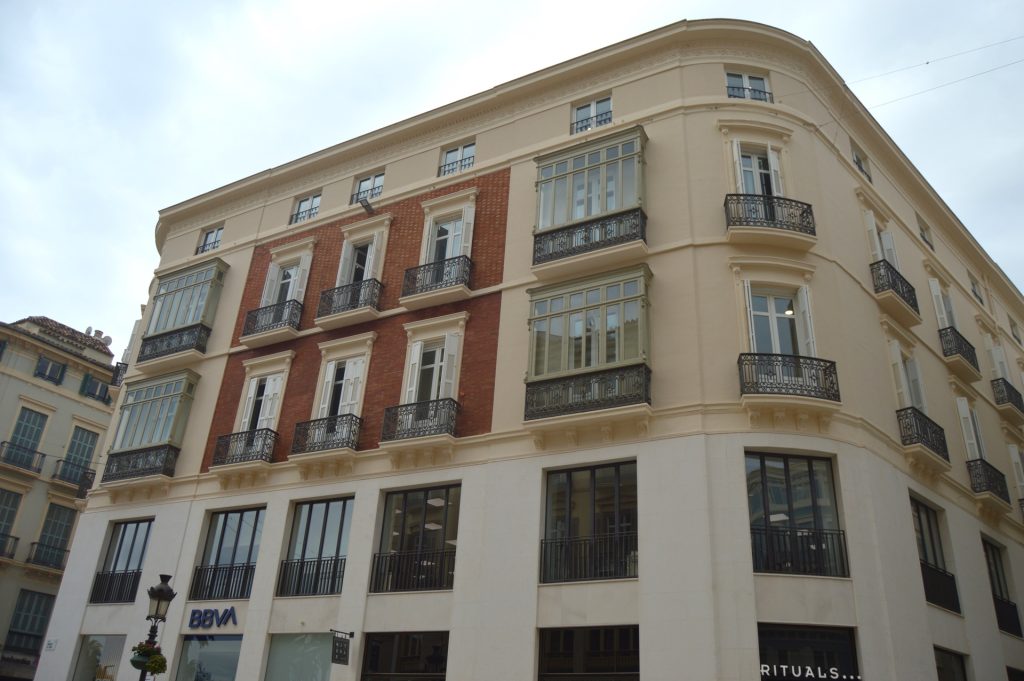
The restoration of the building’s façade, which also houses the headquarters of Grupo Sociedad Azucarera Larios, involved the craftsmanship of Manuel Molina, a cabinetmaker and woodcarver who first became acquainted with the trade at just eleven years old. He learned alongside his father, working in the workshop and gradually discovering a profession that would eventually become his true vocation.
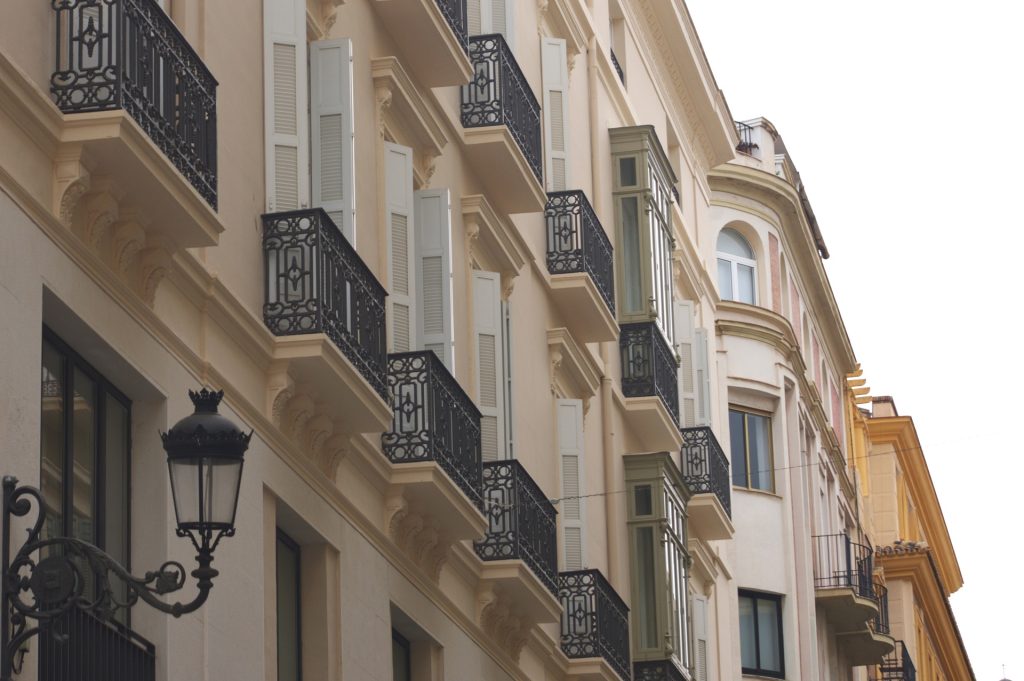
What began as an obligation gradually gave way to a growing interest in wood and the many possibilities it offers. After spending some time away from the trade, Manuel decided to set up his own business again and resume his professional career as a carpenter and cabinetmaker.
A craft that has evolved without losing its essence.
The introduction of new tools and machinery has significantly transformed work in workshops. Some processes that once required considerable manual effort can now be carried out more quickly and accurately.
However, the essence of the craft remains unchanged. In certain restoration projects and the reproduction of historic features, traditional techniques similar to those used in the nineteenth century are still employed. Joints, tenons, wedges, and mouldings form part of a body of technical knowledge that makes it possible to create strong, durable pieces that remain faithful to the original designs.
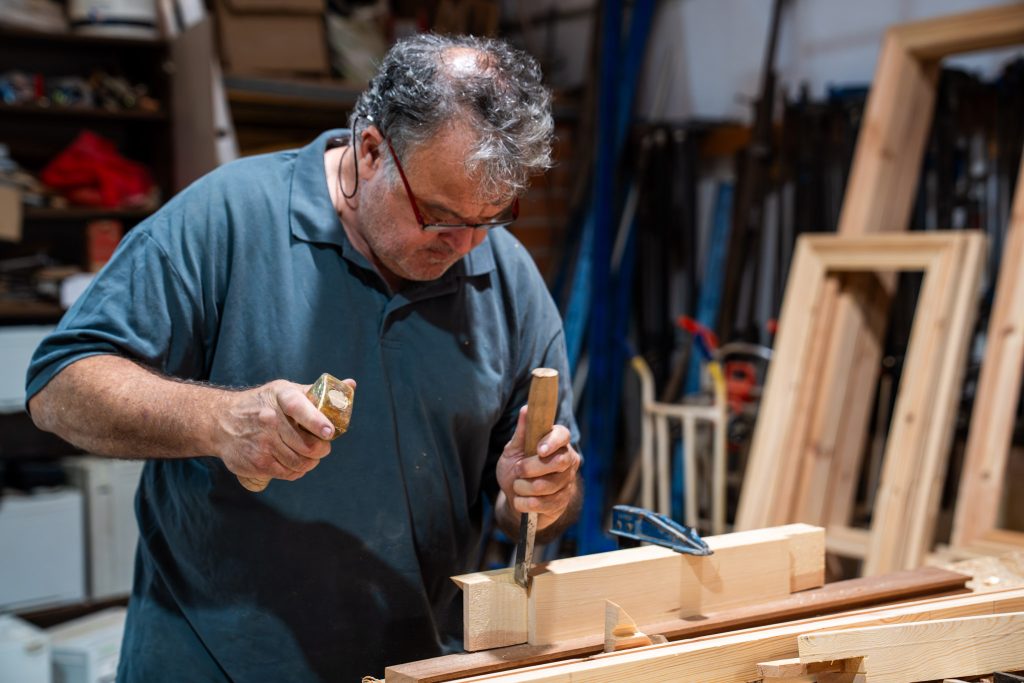
For Manuel Molina, machines are a valuable aid, but they cannot replace the craftsman’s experience. Observing the grain, selecting the wood, and deciding how each element should be joined still depend on knowledge acquired over many years of work.
Preserving the Headquarters’ Original Features
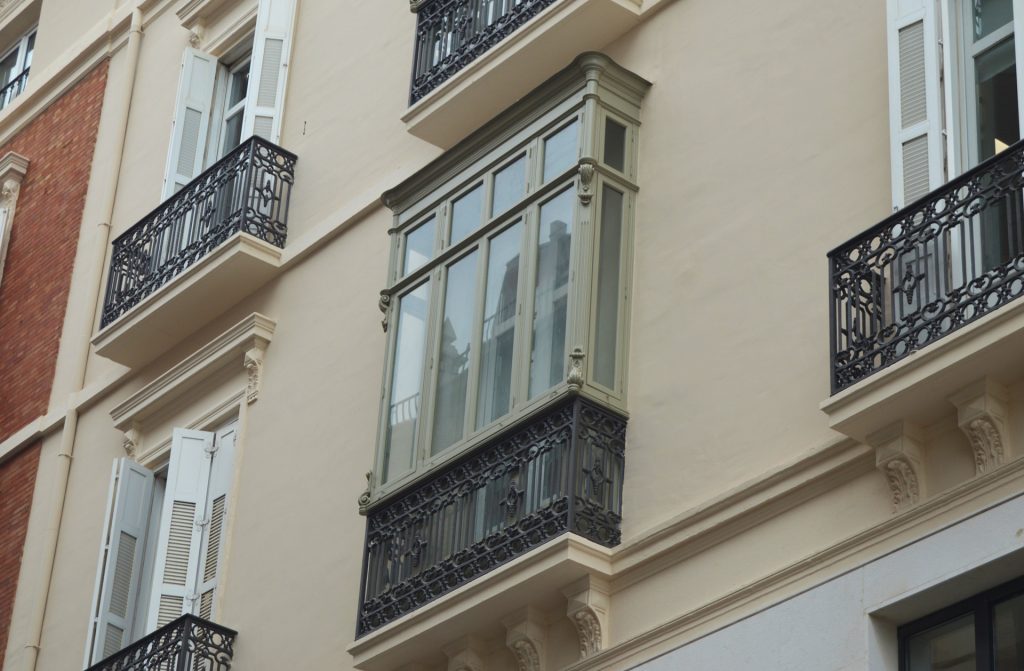
His contribution to the renovation focused primarily on the building’s balconies and wooden features. To carry out the work, the pieces were dismantled and carefully analysed, with their mouldings and distinctive characteristics reproduced to preserve the building’s original appearance.
Among the materials used, Soria pine stands out for its fine, uniform grain. The new pieces were crafted from this wood through a meticulous process in which every detail is essential.
Artisan cabinetmaking in the renovation of Salsa’s headquarters thus becomes a means of preserving the building’s identity. It is not simply a matter of replacing deteriorated elements, but of understanding how they were originally constructed and reproducing them with respect for their design, proportions, and traditional techniques.
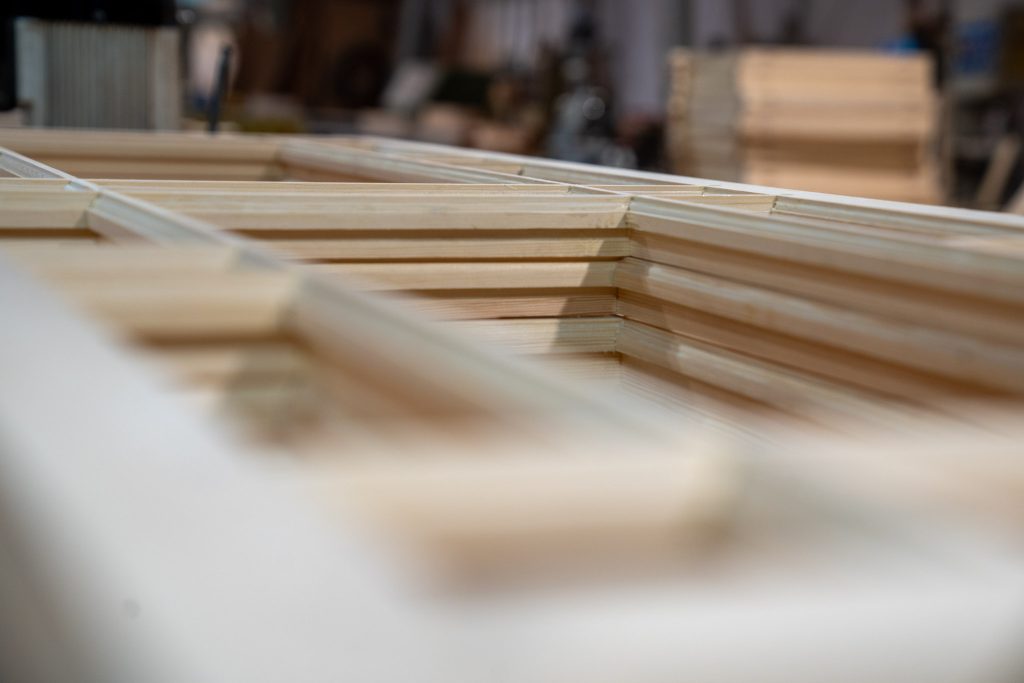
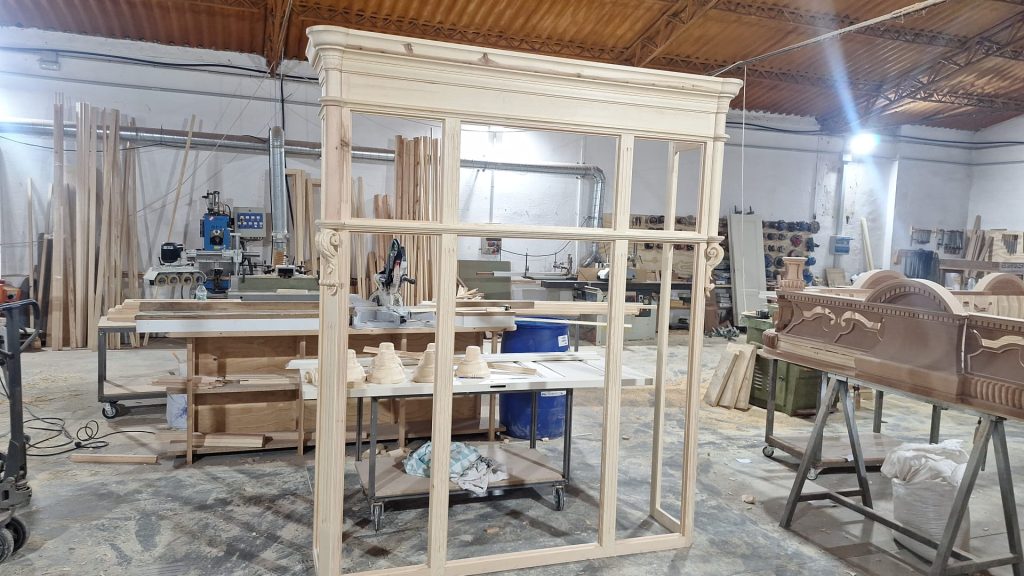
This approach reflects the importance of preserving Málaga’s architectural heritage. Wooden balconies are a defining feature of many of the city’s historic buildings, although their constant exposure to weather conditions makes specialised restoration work necessary.
The Satisfaction of Creating Something Built to Last
One of the aspects Manuel Molina values most is being able to recognise his work once it has been installed. Walking through the city, looking at a building, and thinking, “I made that,” brings a sense of satisfaction that is difficult to match.
He also highlights the way he was treated throughout the project and the opportunity to take part in an initiative that helps preserve and enhance the city’s heritage. Each piece crafted leaves a legacy for the future, connecting the building’s history with the people who will use it in the years to come.
At the same time, the cabinetmaker expresses his concern about generational succession. The crisis in the sector led many professionals with decades of experience to leave the trade without being able to pass on their knowledge to new apprentices. As a result, fewer and fewer people now master particularly complex traditional techniques.
For this reason, the role of artisan cabinetmaking in the renovation of Salsa’s headquarters represents far more than a construction project. It is a way of recognising the value of manual craftsmanship, safeguarding a trade that forms part of our culture, and ensuring that the memory of buildings remains alive through the materials, techniques, and skilled hands of those who know how to work with them.